
The Glorious Revolution had placed two very popular monarchs on the British throne who embraced limits on Executive power and readily guaranteed all subjects their Liberties and basic Rights. Most English subjects smugly believed they had witnessed the Revolution to end all Revolutions and had achieved a unique and perfect constitutional blend of monarchy (King) aristocracy (Lords) and democracy (Commons), with Sovereignty resting with the King-In-Parliament, but ultimate supremacy resting with Parliament.
In November 1689, when John Locke’s classic Second Treatise of Government appeared in print, it seemed hardly necessary to justify a Bloodless Revolution already completed. As it turned out however, Locke had supplied a transcendent argument, justifying universally not merely this particular English revolution, but all revolutions of every oppressed people anywhere. Nearly a century later America, not England, answered Locke’s call. The Americans would embrace Locke’s argument for their own Glorious Revolution:
Originally, individuals were all in a state of nature where each person, “bound to preserve himself” should, if possible, “preserve the rest of Mankind.” Ideally this would be “a state of perfect Freedom” and “also of equality.” But “self-love” makes people “partial to themselves and their friends. Passion and revenge will carry them too far in punishing others.” Thus since no one should be “judges in their own cases,” we exit a state of nature and only by our own consent enter a political society. There we become “one Body Politic, wherein the Majority have a Right to act and [decide for] the rest.” In Society “the Community comes to be Umpire, by settled standing Rules, indifferent and the same to all Parties.” Thus “Political power,” Locke defined as the right to make laws and attach penalties, but “only for the public Good.”
Civil Liberty, Society’s great object, consists in “not [being] under the Dominion of any Will or Restraint of any law but what the Legislative shall enact according to the [People’s] Trust put in it.” The community’s consent binds its members to obey the law. But Law imposes restrictions “not to abolish but to preserve and enlarge Freedom.” [emph. added] Thus Locke absolutely rejects lawless Absolute Monarchy where the King or Executive becomes “Judge in his own Case, and may do to all his Subjects whatever he pleases, without the least liberty to anyone to question or control those who execute his pleasure”.
The exercise of arbitrary or selfish power under pretense or color of law may be as bad, or even worse than lawless, naked, coercive power, In a classic moment of brutal honesty, Locke cut through hypocrisy and double standards: “Great Robbers punish little ones, to keep them in their Obedience, but the great ones are rewarded with Laurels and Triumphs, because they are too big for the weak hands of Justice in this World, and have the power in their own possession, which should punish the offender.” In a corrupt system of injustice under color of law, then, an “appeal to the Law, and constituted Judges lies open,” but it’s useless. And when it reaches the point where there’s “a manifest perverting of Justice and a barefaced wrestling of the Laws” there is a State of War. “For wherever violence is used, and injury done, though by hands appointed to administer Justice, it is still violence and injury, however coloured with the Name, Pretenses, or Forms of Law.”
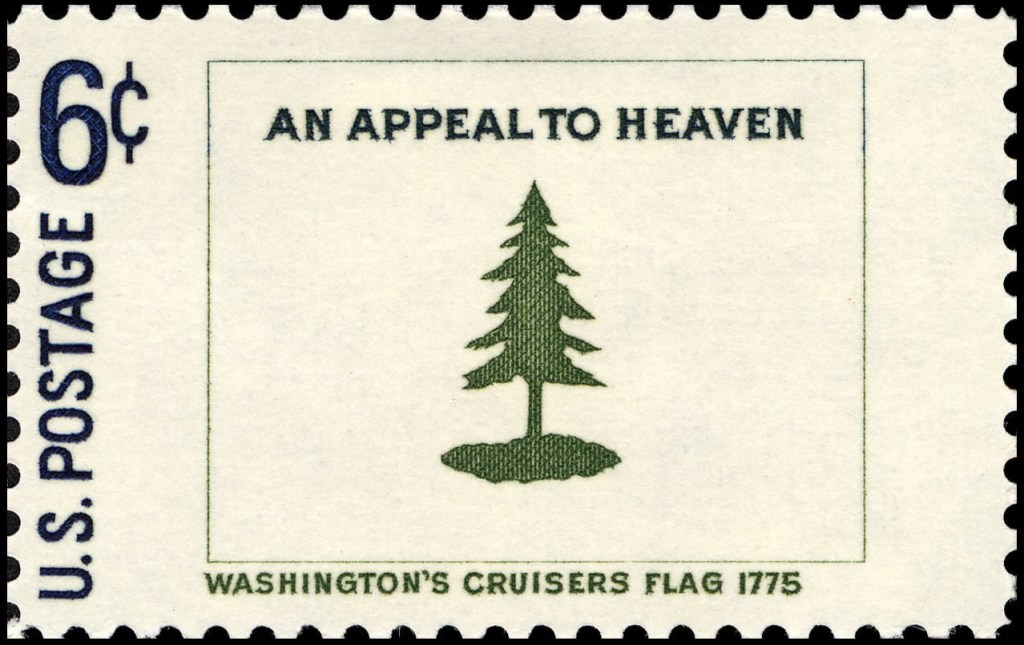
In either case, where the People are stripped of their Liberty, then the “Sufferers, who having no appeal on Earth” to right this injustice “are left to the only remedy in such Cases, an appeal to heaven,” i.e. to rise up and rebel.
“Revolutions happen not upon every little mismanagement in public affairs.” Nor should they. “Great Mistakes in the ruling part, many wrong and inconvenient Laws, and all the Slips of human frailty will be borne by the people without mutiny or murmur.” History demonstrates that “The People who are more disposed to suffer, than right themselves by Resistance, are not apt to stir, ‘till the mischief be grown general, and the ill designs of the Rulers become visible.” But, Locke insists – and this reappears in, and underlies America’s own Declaration of Independence – “if a long train of Abuses . . all tending the same way, make the design visible to the People” and they “feel what they lie under, and see, whither they are going”, they will “rouse themselves, and endeavour to put the rule into such hands” as seem to them more likely to secure their liberty.
Of course no Constitution, written or unwritten, can adequately provide for its own violent destruction. But “though the People cannot be Judge . . by the Constitution” of any right to rise up and reject the whole system of perverted “lawful authority,” they have by a Law antecedent and paramount . . reserved that ultimate Determination to themselves, which belongs to all Mankind where there lies no Appeal on earth, viz., to judge whether they have just cause to make their Appeal to Heaven.” (emph. added)
A People with such a transcendent right to rebel should hardly rise up the first moment they feel themselves oppressed, without or within a lawful order. Revolutions and Civil Wars cause massive death and destruction. Thus, Locke qualifies his moral call to Revolution in cautious pragmatism: “He that appeals to heaven must be sure he has Right on his side; and a Right too that is worth the trouble and Cost of the Appeal.” (emph. added) Thus an oppressed People, Locke insists, must patiently submit until they have sufficiently coordinated their collective resistance to have a fair prospect of success.
By 1775 American patriots would split among themselves, with moderates doubting they could pull it off and radicals insisting they must at least make the attempt.
 Father Anonymous
Leave a comment