
1775: THE CONSTITUTIONAL BACKSTORY
Great Britain has no written Constitution. But civil wars and cataclysmic confrontations sometimes got settled with written documents that reflect new basic arrangements agreed to, and then too often violated. Those documents have become primary evidence of England’s unwritten Constitution – the basic law that Americans in 1775 cherished and demanded:
-
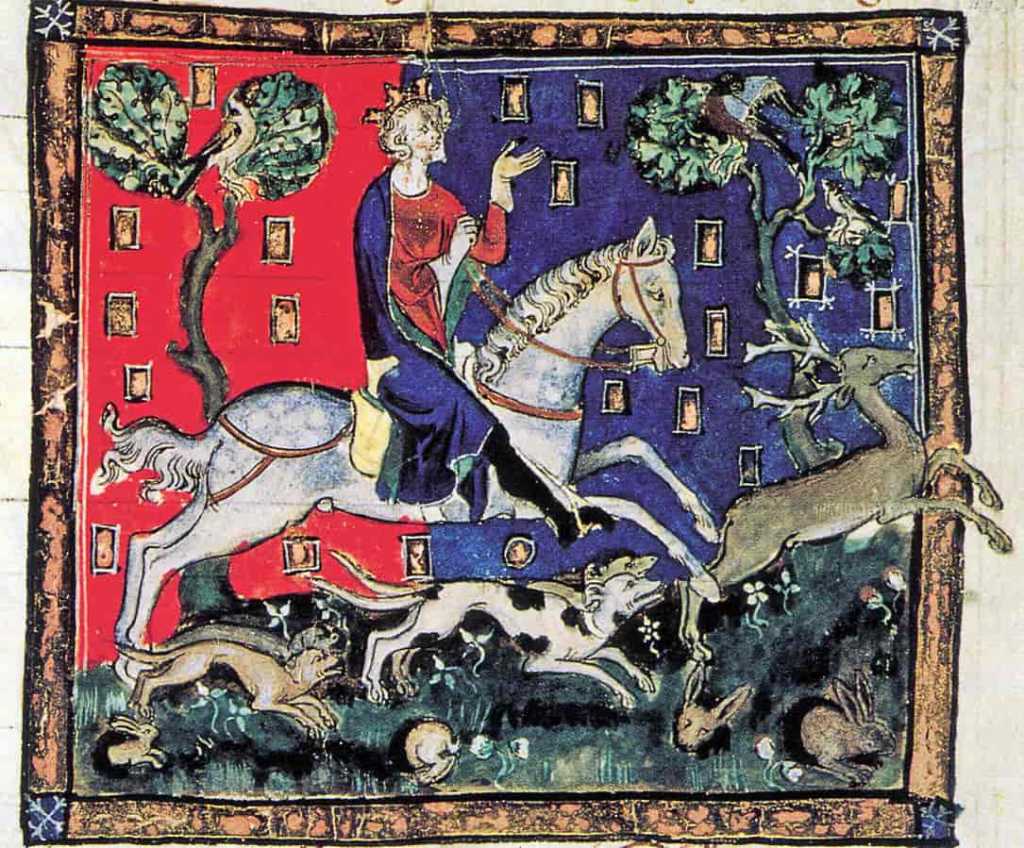
A great Civil War between forces loyal to King John and those loyal to the Barons produced the Magna Carta, hammered out in 1215 and signed by a desperate King eager to reclaim his crown jewel – the city of London which had fallen to the Barons. Much of that document seems arcane and uninteresting… Read More
-

Today, Americans look back at 1765-1791 as our Foundational era. In 1775, every English school child looked to the 17th Century as their own key period of Constitutional tumult and foundation. After Queen Elizabeth died childless, her cousin James I had declared himself a ruler by Divine Right with no earthly limit. His son and successor,… Read More
-
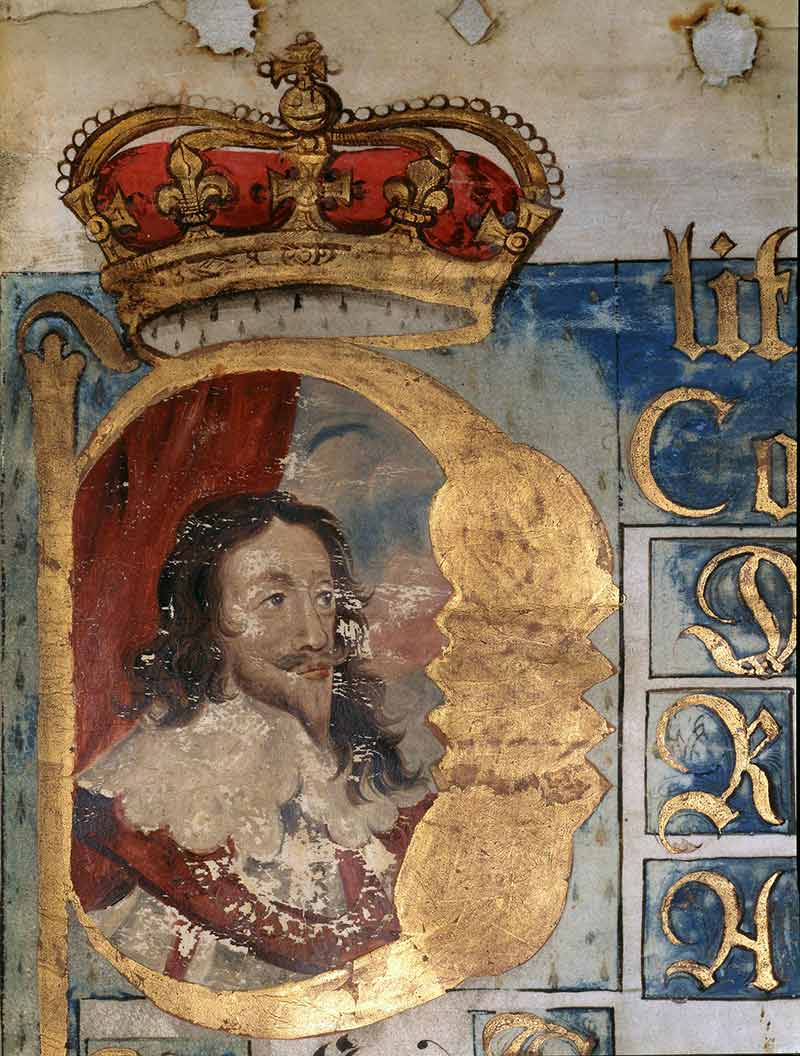
For 11 years, (1629-1640) Charles raised money without Parliament. The most nefarious end run around the Magna Carta and the Petition of Right – Ship’s Money – produced the greatest Constitutional resistance. Traditionally, during a wartime emergency, the King could require seaports to supply ships for defense of the realm. Everyone agreed that Queen Elizabeth… Read More
-
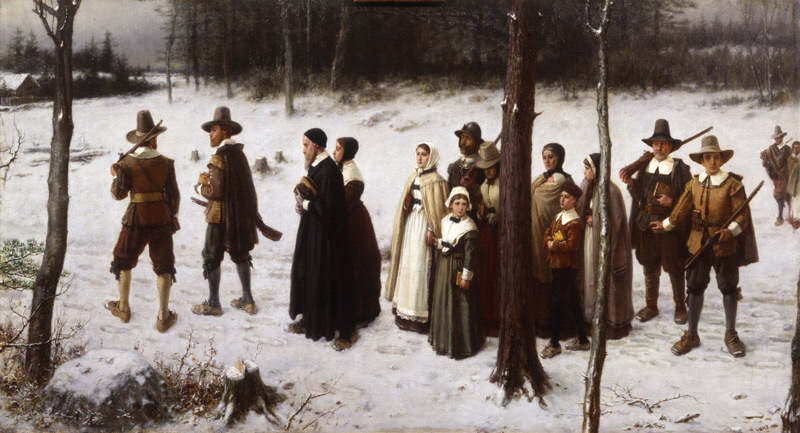
In 1629 King Charles I granted the Massachusetts Bay Company a Charter entitling colonists who would settle there all “Liberties and immunities of free and natural Subjects” within England. The King’s ministers had assumed the company would hold its meetings in London but they moved to Massachusetts, thereby freeing themselves somewhat from English control. Within… Read More
-

After England beheaded its King for refusing to restrict his own power, for a while there was no king nor even a hereditary House of Lords. A disappointing decade in which Oliver Cromwell, “the Protector” governed with a Parliamentary remnant produced a restored monarchy and House of Lords. Charles’ son, Charles II, back on the throne, knew… Read More
-
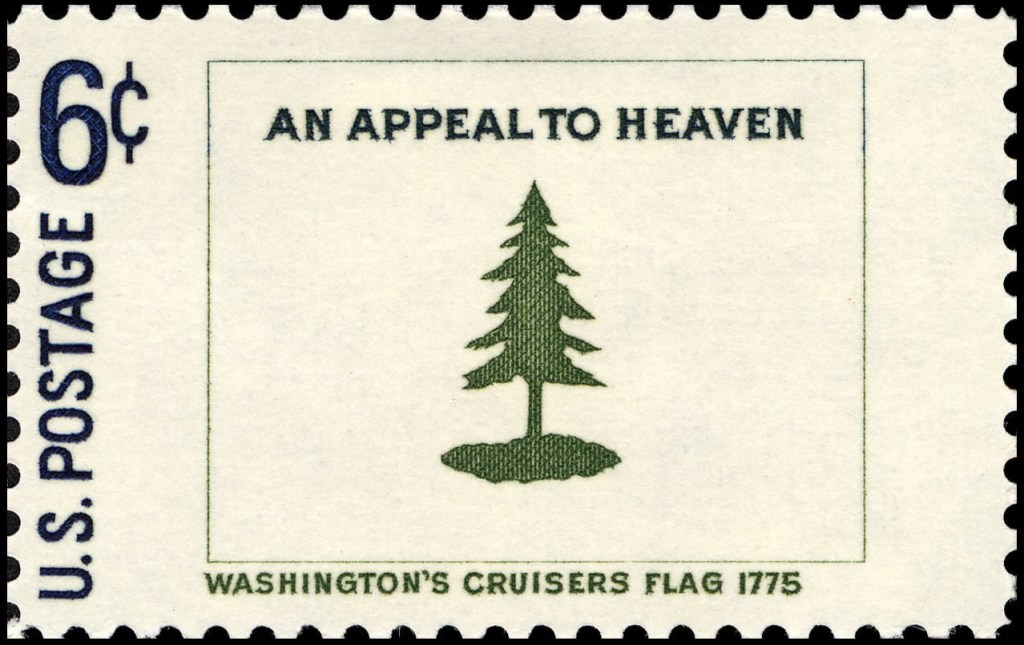
The Glorious Revolution had placed two very popular monarchs on the British throne who embraced limits on Executive power and readily guaranteed all subjects their Liberties and basic Rights. Most English subjects smugly believed they had witnessed the Revolution to end all Revolutions and had achieved a unique and perfect constitutional blend of monarchy (King)… Read More
-
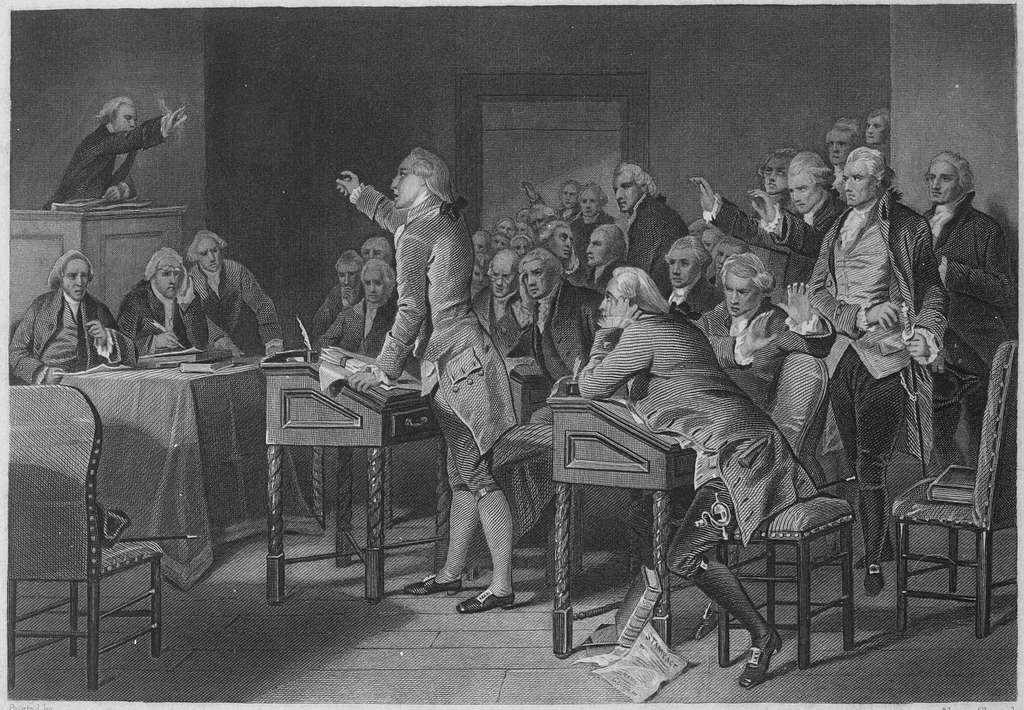
The British American colonies ranged widely in their legal structure and degree of authority that the King, Privy Council, Board of Trade and Secretary of State in London actually exercised from afar. The two most autonomous American colonies, Connecticut and Rhode Island, chose their own Governors and largely controlled their own internal affairs. But every… Read More
-
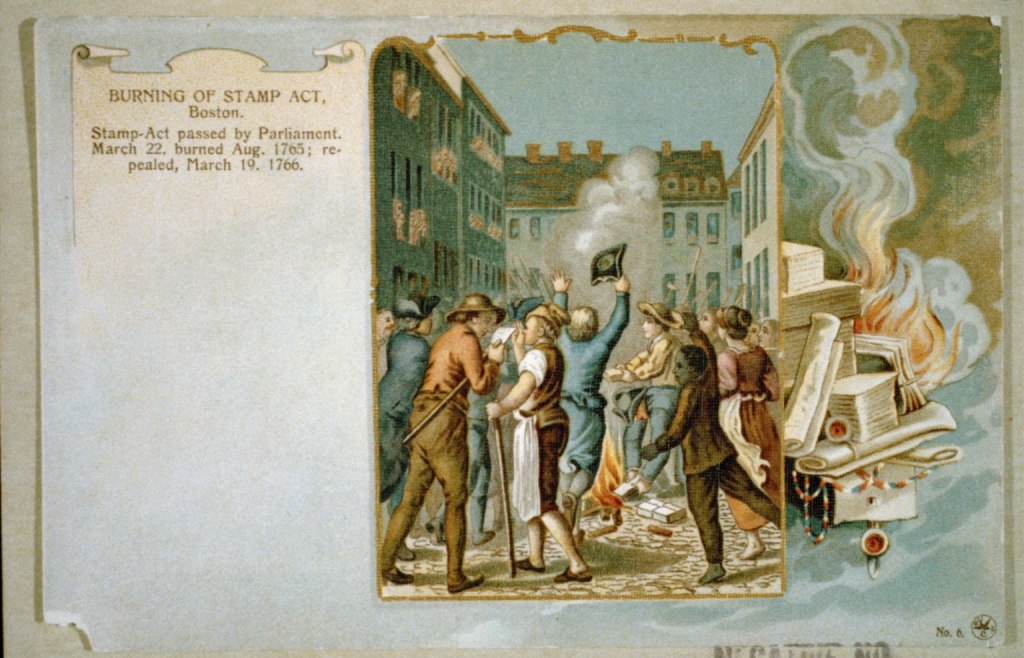
The American Revolution, John Adams declared, was fought “in the hearts and minds” of Americans 10 years before the first shot was fired at Lexington and Concord. He was referring to the Stamp Act Crisis. In 1763, Britain and France ended their Seven Years War, a world war which swelled the British Empire but depleted… Read More
-

But what about the longstanding Constitutional guarantee of “no taxation without representation”? The American colonies sent no representatives and could not vote for members of Parliament. No matter, the Administration replied, neither did women and children. In fact, whole towns in England sent no representatives to Parliament. Were they likewise unrepresented and free to disobey… Read More
-
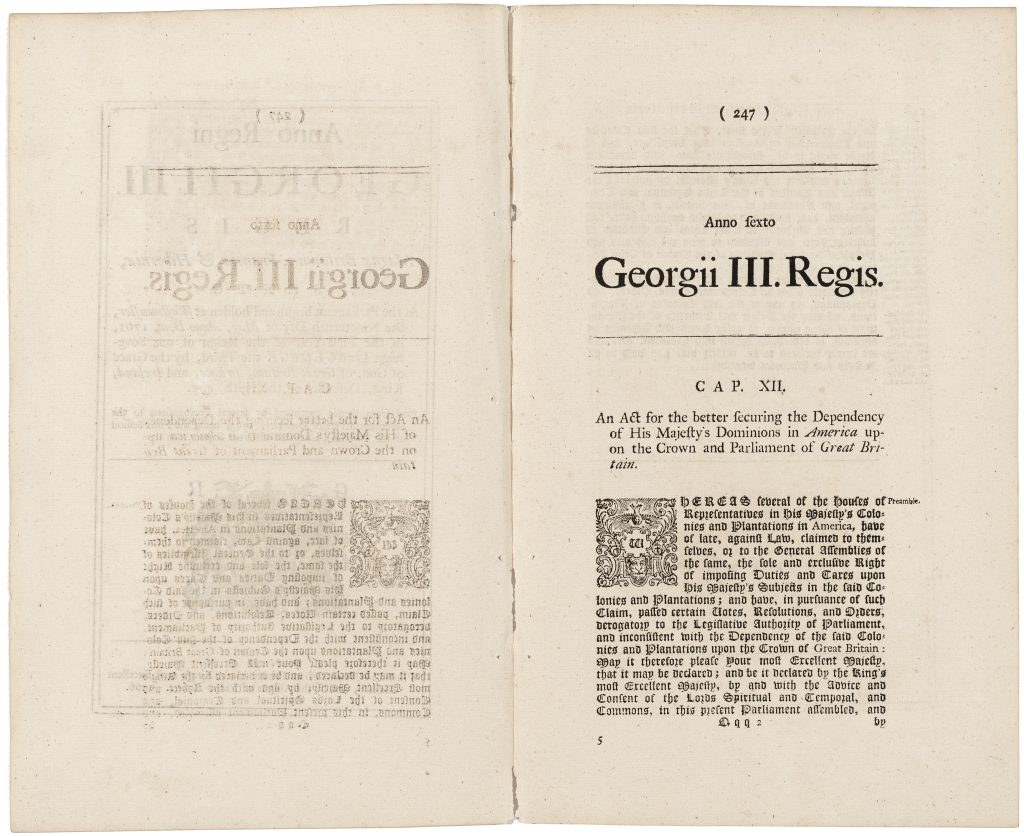
American radicals went far beyond argument to active resistance. Colonel Barre, in a famous speech in Parliament, praised American resisters as the “Sons of Liberty.” Under the leadership of Samuel Adams, extra-legal vigilante groups, now calling themselves “Sons of Liberty”, tarred and feathered stamp collectors and made them resign; they burned down stamp houses… Read More
-

While reports of individual acts of American resistance might stiffen Parliamentary resolve to continue the Stamp Tax, the organized boycott of British goods wounded the economy. English merchants vigorously lobbied Parliament for its repeal. “Punish the violence but redress the grievance,” declared Pitt in Parliament. “I think them deprived of a right; but by an… Read More
-

The colonial resisters knew they had won – but exactly what had they won? They had effectively and forcibly resisted the Stamp Tax, boycotted British goods and pressured Parliament into repealing that tax. They had issued their formal denunciations. But Parliament still declared its own unlimited right to legislate and “bind the colonies in all… Read More
-
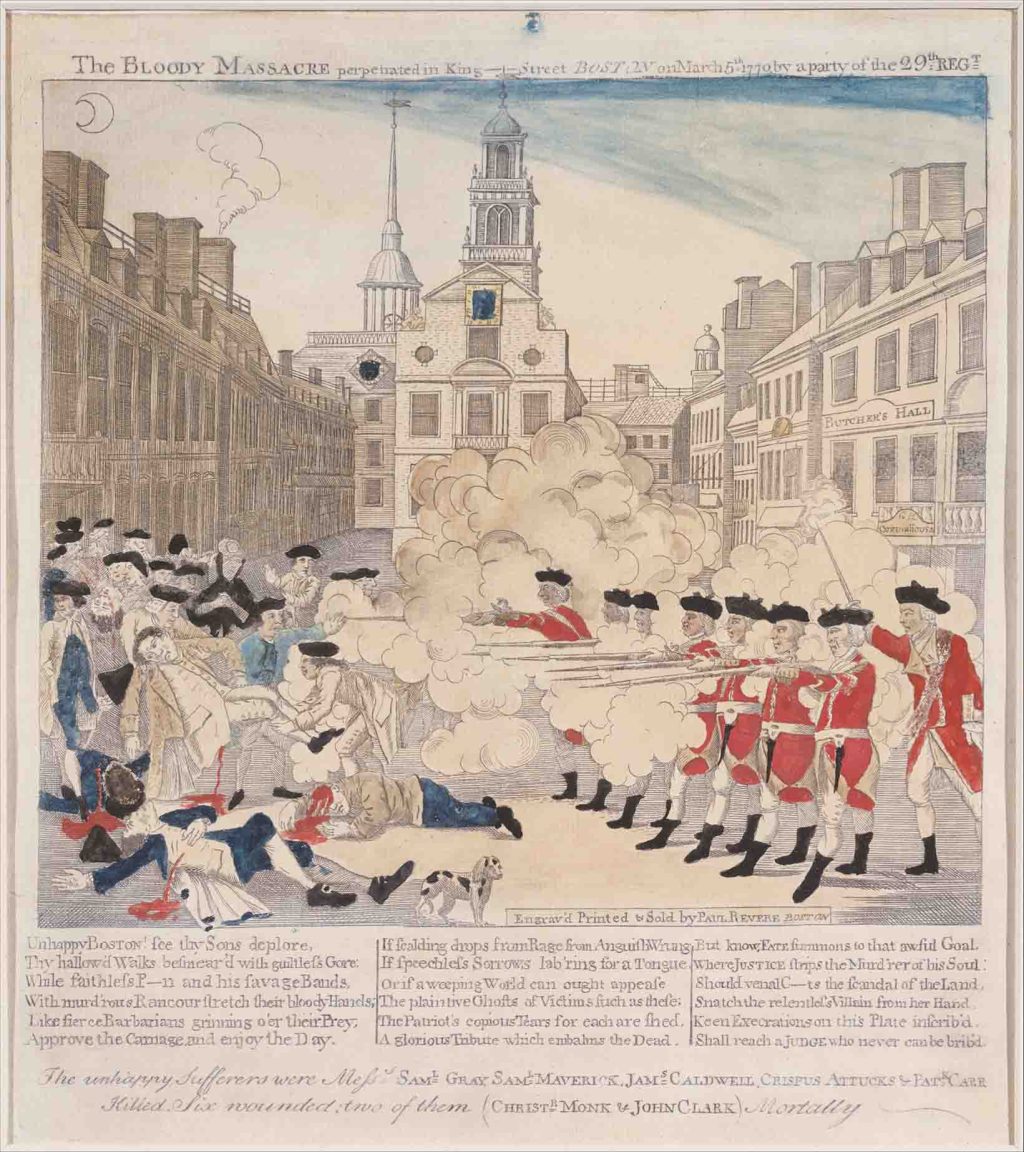
“The opposition they make to the Stamp Act is only the beginning of troubles,” warned Anti-Sejanus, the English hardliner who publicly resented the “ungrateful” American colonists’ resistance and repeatedly called for “rigorous” enforcement rather than repeal of the Stamp Tax. American opposition, he warned “is nothing but a prelude to the game that they intend… Read More
-
After the British removed troops from Boston, many American colonials and Britons in and out of Parliament desperately sought to prevent the crisis from escalating into war. Parliament revoked the Townshend Duties except for the duty on tea, “in order to preserve the right of taxation,” Burke acknowledged in a speech in Parliament. A relative… Read More
-
THE TEA PARTY, INTOLERABLE ACTS “We cannot make events,” Sam Adams observed. “We can only patiently wait to improve them.” Hutchinson had provoked the colonists into constitutional arguments that propelled them further toward unity and independence. It took the East India Company’s plummeting fortunes to activate America’s forceful resistance and accelerate both sides toward war. … Read More
-
“For nine long years,” Edmund Burke proclaimed, “we have been lashed round and round this miserable circle of occasional arguments and temporary expedients.” In this, his famous Speech on American Taxation before Parliament, April 19 1774, exactly one year before the outbreak of the American War at Lexington, Burke reviewed the history of the growing… Read More
 Father Anonymous