
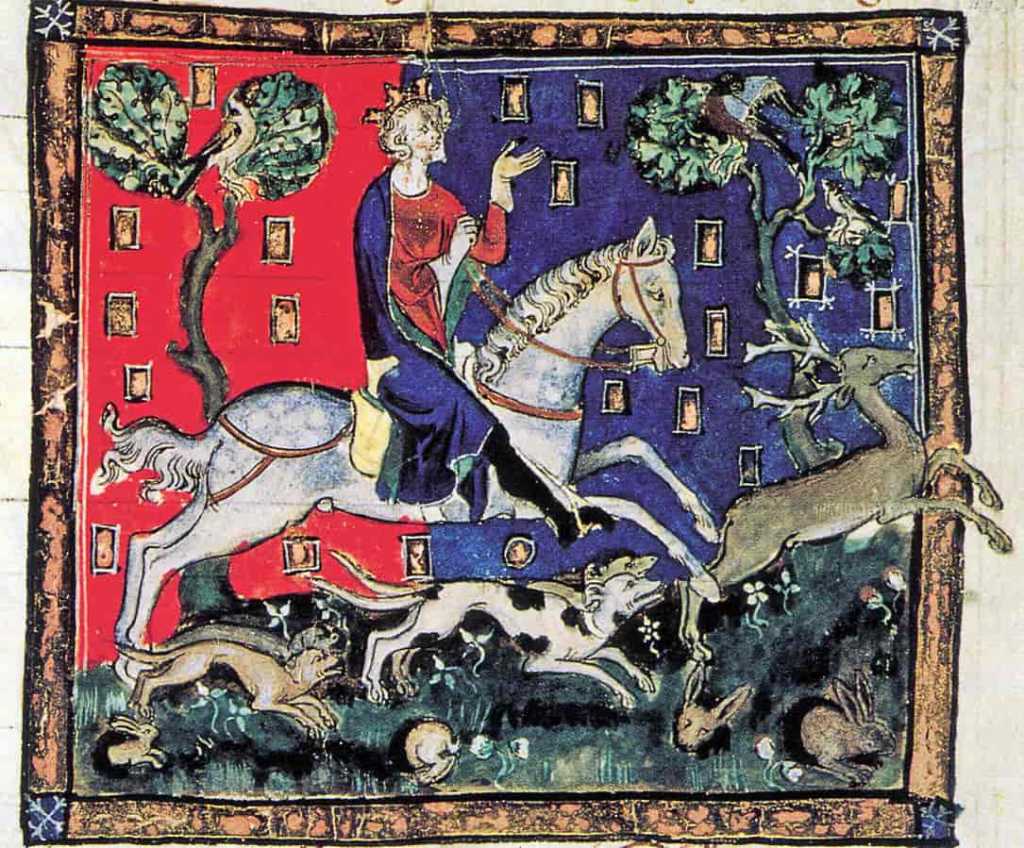
A great Civil War between forces loyal to King John and those loyal to the Barons produced the Magna Carta, hammered out in 1215 and signed by a desperate King eager to reclaim his crown jewel – the city of London which had fallen to the Barons. Much of that document seems arcane and uninteresting today, but Chapter 12 – “No scutage nor aid shall be imposed on our kingdom, unless by common counsel,” over centuries of struggle and resistance, ripened into Parliament. British subjects held dearest a basic guarantee: Taxes would only be the “free gift of the Commons”. Except for emergencies (and other narrow exceptions) subjects would only be taxed by their representatives in Parliament. Magna Carta’s famous Chapter 39 also guaranteed that “No freeman shall be . . imprisoned or . . exiled or in any way destroyed, . . except by the lawful judgment of his peers [and] by the law of the land.” This ripened over centuries to the basic Constitutional guarantee in England and America to due process and a trial by jury, with punishment only after a lawful verdict of local neighbors.
The very day the King swore he had freely agreed to Magna Carta and would respect it forever, he sent a secret emissary to the Pope to annul it. Over the next centuries, Magna Carta rose and fell in influence.


Leave a Reply